

The Real Impact of Restoration on Vintage Car Resale Value
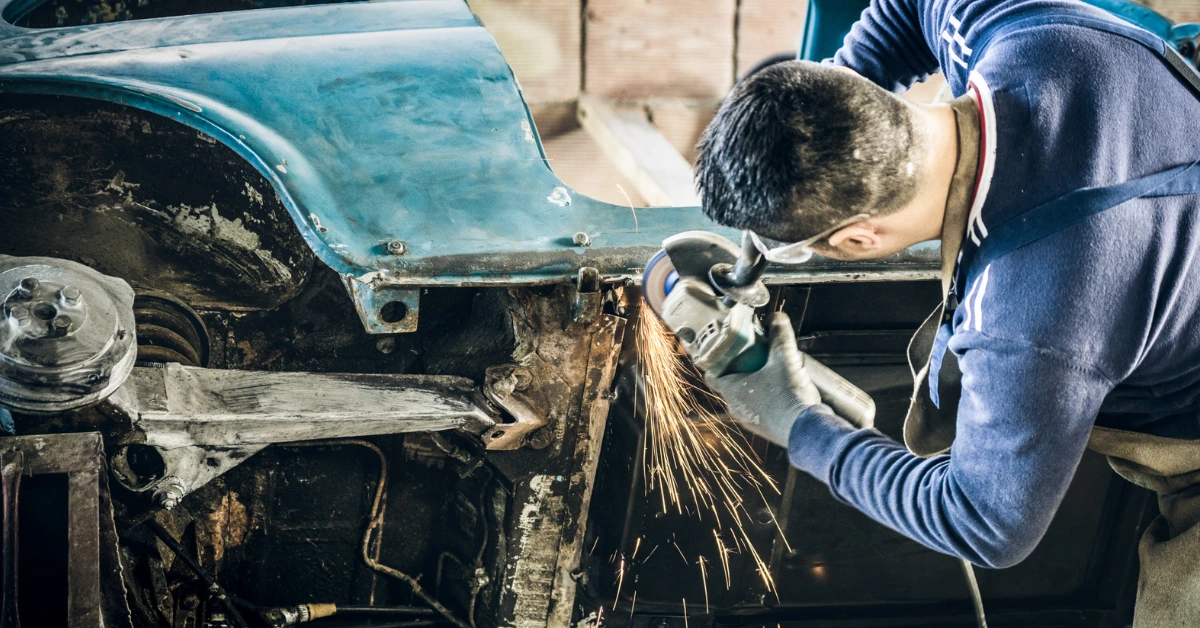
A restored vintage car can sell for far more than the same vehicle in unrestored condition, but the gap between the two depends heavily on how the restoration was done. Henderson vintage car restoration has become a common path for owners hoping to boost resale value, yet not every restoration pays off the way owners expect. Understanding what actually moves the price up, and what does not, makes a real difference before any work begins.
Table of Contents
- Does restoration always increase a vintage car’s value?
- What restoration choices matter most to buyers?
- How does frame and structural work affect long term value?
- What buyers look for in a vintage car restoration
- How does documentation affect what a car sells for?
- Can an unrestored car sometimes be worth more?
- What should an owner decide before starting a project?
- A Restoration Strategy Built Around Real Value
- Frequently Asked Questions
Does restoration always increase a vintage car’s value?
Restoration usually raises a vehicle’s price, but the relationship is not automatic. A rushed or poorly executed vintage car restoration can actually hurt value, since buyers who know the market can spot corner cutting in panel gaps, paint quality, and mismatched parts. Quality matters more than the simple fact that work was done. A careful, well documented restoration tends to outperform a quick cosmetic refresh every time buyers compare the two.
What restoration choices matter most to buyers?
Serious buyers pay close attention to originality. Matching numbers between the engine and the body, correct trim, and period accurate paint codes all carry weight in a sale. Mechanical reliability matters just as much as appearance, since a car that looks perfect but runs poorly will struggle to hold its price. Owners who prioritize both form and function during a restoration tend to see the strongest return when it comes time to sell.
How does frame and structural work affect long term value?
A straight, properly repaired frame protects the investment made everywhere else on the car. If the frame was never corrected after decades of wear or a past repair, panel fit and handling both suffer, and that shows up quickly during a buyer’s inspection. Shops equipped with proper frame equipment can identify and correct these issues early, which protects the value of every other part of the restoration.
Buyers who take a car for a test drive notice handling issues almost immediately, even if they cannot name the exact cause. A car that pulls to one side, wanders on the highway, or feels unsteady over rough pavement raises doubts about the rest of the restoration, even when the paint and interior look flawless. Fixing structural problems before cosmetic work begins protects the seller from that kind of doubt later.
What buyers look for in a vintage car restoration
Buyers researching a vintage car restoration typically look past the paint job first. They want service records, photos from the restoration process, and clear answers about which parts are original versus reproduction. A seller who can answer these questions confidently, backed by documentation, tends to close a sale faster and closer to asking price than one who cannot.
How does documentation affect what a car sells for?
Photos taken during disassembly, receipts for sourced parts, and notes on any deviations from factory specification all build buyer confidence. This paperwork turns a restoration from a claim into a verified history. Serious collectors often pay a premium for a documented vehicle over one where the seller can only describe the work from memory, since documentation removes much of the guesswork from a purchase decision.
A quick list of what tends to add the most resale value:
- Verified matching numbers between engine and body
- Original or correctly reproduced interior materials
- A frame confirmed straight through proper measurement
- Detailed photo documentation of the restoration process
- Mechanical reliability confirmed through a recent inspection
Can an unrestored car sometimes be worth more?
In rare cases, an unrestored vintage car in excellent original condition can outsell a restored one, particularly among collectors who value untouched originality above a fresh finish. This applies mainly to low mileage vehicles with minimal wear, often cars that spent decades in a garage rather than on daily roads. For most cars showing real age and damage, though, a quality restoration remains the more reliable path to a stronger resale price. Owners should have an honest conversation with a shop before deciding, since the right answer depends heavily on the specific vehicle and its history.
What should an owner decide before starting a project?
Before committing to a full restoration, owners should set a clear goal. A car intended for daily driving does not need the same level of documentation as one headed for auction or a serious collector’s garage. Setting that goal early shapes decisions around parts sourcing, paint accuracy, and how much time the project should reasonably take, which keeps both budget and expectations realistic from the start.
For a broader look at the shop’s services beyond restoration, J&M Auto Body and Repairs LLC provides collision repair and general auto services.
A Restoration Strategy Built Around Real Value
Boosting resale value takes more than a fresh coat of paint. It takes careful frame work, documented sourcing, and mechanical attention that holds up under a buyer’s inspection. That approach is what J & M Auto Body and Repairs LLC brings to every vintage restoration project in Henderson.
Frequently Asked Questions
Does restoration always pay off in resale value?
Not always. A quality restoration with proper documentation tends to increase resale value, but a rushed or poorly executed job can hurt it. Buyers notice mismatched parts, weak paint work, and shortcuts, so the quality of the restoration matters more than simply having done one.
How much can a full restoration add to a vintage car’s price?
The added value varies widely depending on the model, rarity, and restoration quality. A well documented, professionally executed restoration on a desirable model can add significantly more than the cost of the work itself, while a lower quality job may barely cover its own expense.
Does restoration quality affect resale value more than the brand?
Quality often matters more than brand alone. A well restored, well documented car from a common model can outsell a poorly restored rare vehicle, since buyers ultimately pay for the condition and reliability in front of them, not just the badge on the hood.
Is an unrestored vintage car ever worth more than a restored one?
Yes, particularly when the car is in exceptional original condition with low mileage. Some collectors prize untouched originality over a fresh restoration. This is uncommon and applies mostly to rare, well preserved vehicles rather than cars showing significant age or damage.
What restoration choices give the best return on investment?
Frame correction, mechanical reliability, and documented originality tend to offer the strongest return. Cosmetic work alone rarely justifies its cost without these fundamentals in place, since buyers ultimately evaluate the whole vehicle rather than just the paint, and a thorough inspection before listing helps confirm nothing was missed.