
5 Signs Your Vintage Car Needs Dustless Blasting Service for Car
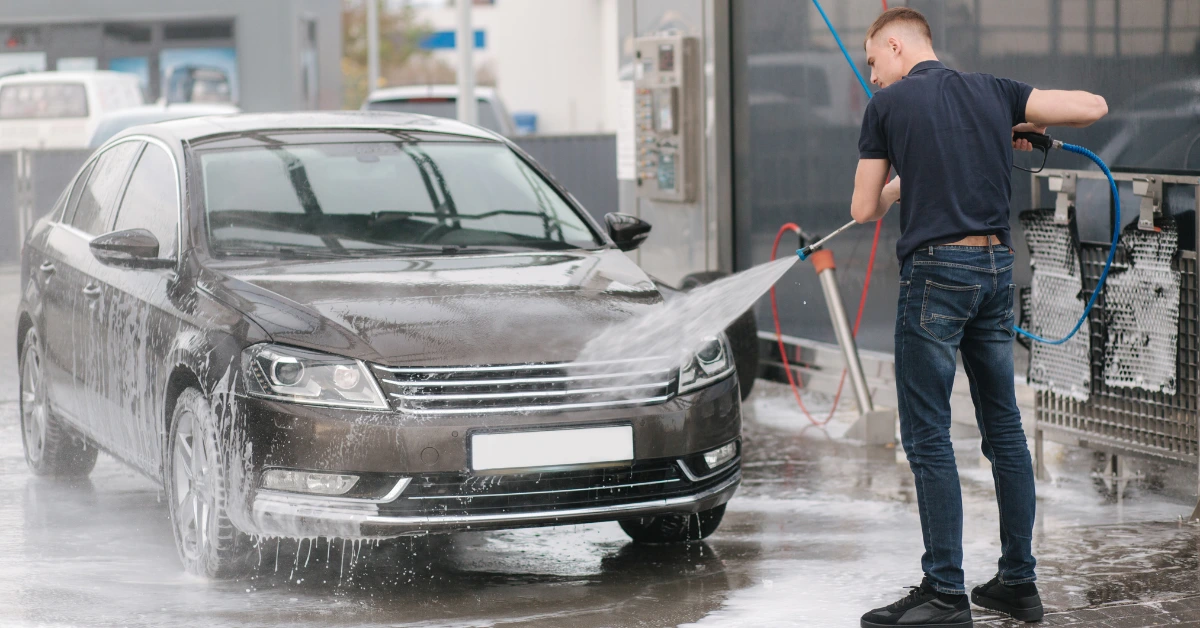
Restoring a vintage car requires a completely clean substrate before any fresh bodywork or paint touch-ups begin. Chemical stripping and manual sanding often leave hidden rust, body filler, and old paint trapped inside tight seams and corners. Modern media blasting removes decades of surface buildup cleanly without damaging delicate steel panels, preparing your classic chassis for a lifetime paint finish.
Table of Contents
- Is Hidden Rust Destroying Your Vintage Panels?
- Are Old Body Fillers Masking Structural Damage?
- Why Does Your Paint Show Cracking and Peeling?
- How Do You Clean Intricate Seams and Contours?
- Is Poor Surface Adhesion Ruining Fresh Primers?
- What Is the Best Blasting Method for Classic Cars?
- How Does J & M Auto Body Prepare Your Vintage Ride?
- Frequently Asked Questions
Is Hidden Rust Destroying Your Vintage Panels?
Vintage automobiles frequently hide aggressive corrosion beneath old primer coats, undercoating, and body panels. Surface rust spreads quietly underneath visual paint layers, degrading structural sheet metal over time. Sanding only removes surface-level oxidation, leaving deep micro-pitting filled with active rust spores that destroy new paint jobs from underneath. Professional stripping methods scour microscopic pits completely, leaving pure, raw metal behind.
Are Old Body Fillers Masking Structural Damage?
Previous repair attempts often rely on heavy layers of plastic body filler to hide dents rather than straightening metal properly. Thick body filler absorbs moisture, cracks under thermal expansion, and hides structural rust. Media blasting strips away old body filler instantly, revealing the exact condition of the underlying steel so technicians can hammer, dolly, and weld original panels back to perfection.
Why Does Your Paint Show Cracking and Peeling?
Multiple layers of old lacquer, enamel, and primer lose their flexible chemical bonds over decades. Applying fresh modern paint systems over deteriorating base layers leads to severe cracking, lifting, and blistering down the road. Stripping your classic car down to bare steel eliminates chemical incompatibility issues, providing a stable foundation for modern epoxy primers and clear coats.
How Do You Clean Intricate Seams and Contours?
Classic cars feature complex body lines, louvers, door jambs, and inner structural channels that wire wheels and sanders cannot physically reach. Leaving old paint or rust inside tight seams leads to premature panel failure along critical weld joints. Specialized high-pressure media streams reach deep inside hard-to-access cavities, removing oxidation without harming original factory steel curves.
Is Poor Surface Adhesion Ruining Fresh Primers?
Smooth bare metal does not offer enough mechanical grip for modern epoxy primers to adhere permanently. Sanding often polishes metal surfaces rather than etching them, leading to future paint peeling under mechanical stress. A specialized dustless blasting service for car projects strips old coatings away while simultaneously leaving an ideal anchor profile on the steel surface for superior primer adhesion.
| Stripping Method | Surface Profile Created | Heat Damage Risk |
|---|---|---|
| Traditional Sandblasting | Coarse, Aggressive Anchor Profile | High (Panel Warping Risk) |
| Chemical Paint Stripper | Smooth, Non-Etched Surface | Zero (Chemical Residue Risk) |
| Hand Sanding | Inconsistent, Variable Profile | Zero (Labor Intensive) |
| Dustless Media Blasting | Uniform, Perfectly Etched Profile | Minimal (Water Cools Friction) |
What Is the Best Blasting Method for Classic Cars?
Traditional dry sandblasting generates intense friction heat that can warp thin vintage sheet metal panels. Utilizing eco-friendly Dustless Blasting in Henderson mixes water with recycled glass media, reducing friction heat and helping prevent panel deformation. The water dampens dust plumes, cushions metal impact, and flushes away debris simultaneously.
How Does J & M Auto Body Prepare Your Vintage Ride?
Proper surface preparation is the single most critical step in classic automobile restoration. Omitting comprehensive media blasting exposes your project to hidden rust, chemical lifting, and premature paint failure down the road. Reach out to speak with our restoration specialists about stripping your project car safely and efficiently.
For details on complete body refinishing techniques, check out our previous guide on classic car auto body repair to see how surface preparation transforms project outcomes.
Achieving a flawless, durable finish requires starting with an absolute bare metal baseline. By utilizing safe media blasting methods, your classic car gets the ultimate foundation for long-lasting paint brilliance. Count on J & M Auto Body and Repairs LLC to handle your vintage vehicle restoration with unmatched expertise and care.
Frequently Asked Questions
How do I know if my car needs media blasting instead of just sanding?
Media blasting is necessary when your car has multiple old paint layers, heavy body filler, or hidden rust in tight seams. Sanding cannot reach deep micro-pits or inner cavities, leaving active corrosion behind underneath fresh paint coats.
Is media blasting safe for old, thin sheet metal?
Yes, wet media blasting can be used on delicate vintage metal when performed with appropriate equipment and pressure settings. The addition of water reduces friction heat, helping protect sheet metal from warping, distortion, or surface heat damage.
Will media blasting remove rust completely, or just surface rust?
Media blasting can remove surface rust and oxidation embedded inside microscopic metal pits, depending on the severity and condition of the steel. The high-pressure media stream helps expose clean bare metal and areas that may require additional repair.
How long does media blasting take on a full vintage car body?
Blasting a full vintage vehicle body typically takes between four and eight hours depending on paint thickness, filler depth, and rust severity. The exact time varies based on the vehicle’s condition and the amount of material that needs to be removed.
Can media blasting damage original body lines or trim?
When performed by trained technicians using correct pressure settings and suitable media, blasting can help preserve original body lines, crisp metal edges, and factory contours. Delicate trim items should be removed or properly masked before blasting.