
10 Signs Your Car Needs Immediate Vehicle Repair in Henderson
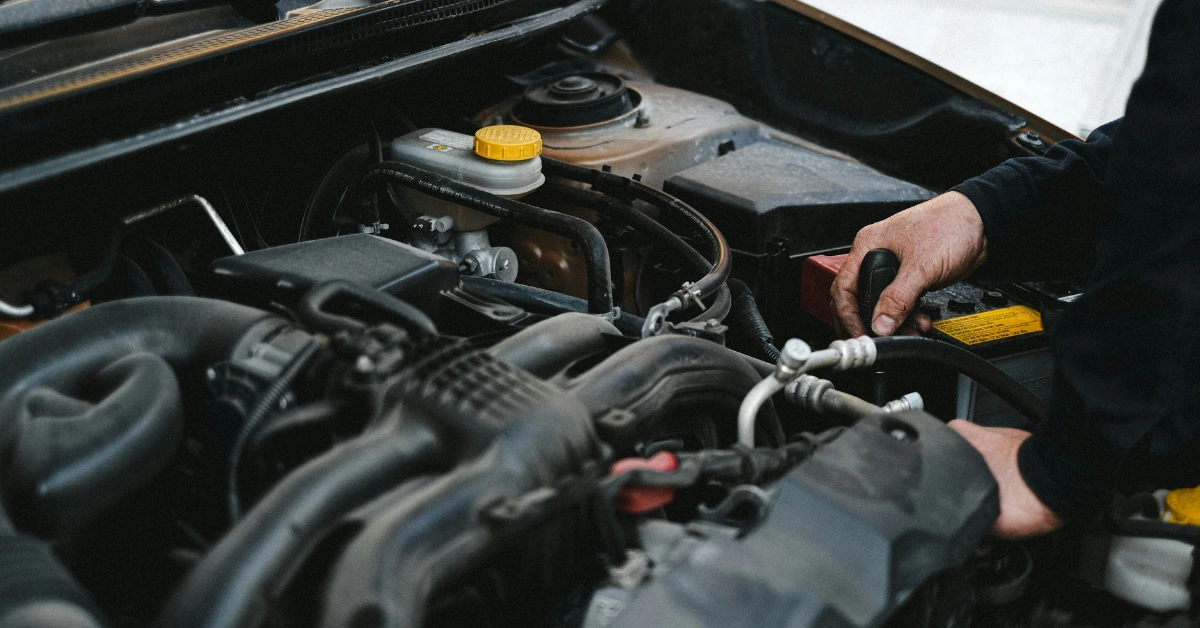
Ignoring subtle vehicle warning signs turns manageable maintenance issues into costly mechanical repairs. Modern cars rely on complex electrical networks and finely tuned mechanical assemblies that communicate component wear through specific sounds, vibrations, and dashboard indicators. Seeking timely vehicle repair in Henderson ensures certified technicians inspect your vehicle using digital diagnostic tools. Recognizing warning signs early protects your road safety, improves fuel efficiency, and prevents sudden mechanical breakdowns.
Table of Contents
- Why Is Your Check Engine Light Flashing?
- What Causes Squealing or Grinding Brake Noises?
- Why Is Your Vehicle Pulling to One Side?
- What Means Excessive Engine Vibration or Shaking?
- Why Are You Smelling Burning Oil or Rubber?
- Why Is Fluid Leaking Beneath Your Parking Space?
- What Causes Your Engine to Overheat Quickly?
- Why Is Your Transmission Slipping or Hesitating?
- Why Is Your Steering Wheel Hard to Turn?
- Why Is Fuel Economy Dropping Unexpectedly?
- How Does J & M Auto Body Diagnose Mechanical Issues?
- Frequently Asked Questions
Why Is Your Check Engine Light Flashing?
A steady check engine light signals an active fault code within your ignition, fuel, or emissions control systems. A flashing check engine light indicates an active, severe misfire that can send unburned fuel into the catalytic converter and cause rapid thermal damage. Getting immediate computerized diagnostic testing can help pinpoint broken oxygen sensors, misfiring spark plugs, vacuum leaks, or other engine problems before they become more expensive.
What Causes Squealing or Grinding Brake Noises?
Brake pads contain built-in metal wear indicators that can produce high-pitched squealing noises when friction material becomes thin. If these sounds are ignored, the pads can wear down to their metal backing plates and damage the brake rotors. Grinding noises indicate severe brake wear and require prompt inspection to restore proper stopping performance.
| Warning Symptom | Common Mechanical Cause | Urgent Action Needed |
|---|---|---|
| Flashing Check Engine Light | Active Engine Cylinder Misfire | Stop driving safely & diagnose immediately |
| Metallic Brake Grinding | Worn Brake Pads to Bare Metal | Inspect and replace damaged brake components |
| Burning Rubber Smell | Slipping Drive Belt or Hose Contact | Inspect belts and hose alignment promptly |
| Steering Wheel Pull | Uneven Alignment or Tire Pressure | Schedule a four-wheel alignment check |
Why Is Your Vehicle Pulling to One Side?
When your car consistently strays from a straight path, uneven tire pressure, worn suspension components, or incorrect wheel alignment may be responsible. Driving with poor alignment can accelerate tire tread wear and affect vehicle handling. Professional wheel alignment service checks and adjusts caster, camber, and toe angles according to the vehicle manufacturer’s specifications.
What Means Excessive Engine Vibration or Shaking?
Unusual vibrations felt through your steering wheel, floorboards, or brake pedal can point to mechanical imbalance or component wear. Steering wheel vibrations at higher speeds may indicate unbalanced tires or worn front suspension components, while shaking during braking can be associated with damaged or uneven brake rotors. Engine vibration while idling may result from broken engine mounts, worn spark plugs, ignition problems, or other engine issues.
Why Are You Smelling Burning Oil or Rubber?
Pungent odors inside or around your vehicle can indicate fluid leaks, overheated components, or slipping drive belts. A sharp burning oil smell can occur when oil leaks from a valve cover gasket and reaches hot exhaust components. Burning rubber smells may indicate slipping accessory drive belts, misaligned pulleys, or rubber coolant hoses contacting moving engine parts.
Why Is Fluid Leaking Beneath Your Parking Space?
Fluid puddles underneath your parked vehicle should be identified before the problem becomes more serious. Bright green, orange, pink, or other coolant colors may indicate a cooling system leak, while dark brown or black fluid can be engine oil. Reddish fluid may be associated with transmission or power steering systems on vehicles that use hydraulic power steering. Addressing fluid leaks early helps prevent low fluid levels, overheating, and major mechanical damage.
What Causes Your Engine to Overheat Quickly?
An engine temperature gauge rising into the red zone can signal a cooling system problem. A stuck thermostat, leaking water pump, clogged radiator, low coolant level, or failed electric cooling fan can prevent the cooling system from controlling engine temperature properly. Continued driving while an engine is overheating can damage cylinder heads, head gaskets, and other internal components.
Why Is Your Transmission Slipping or Hesitating?
Sluggish acceleration, delayed gear engagement, unexpected RPM increases, or hesitation during shifting can indicate transmission trouble. Low or deteriorated transmission fluid, solenoid problems, or worn internal clutch components can interfere with the hydraulic pressure and mechanical operation required for proper gear changes. Professional diagnostic testing can identify the source of shifting problems before they develop into more extensive transmission repairs.
Why Is Your Steering Wheel Hard to Turn?
Stiff or difficult steering can make vehicle control challenging and may indicate a power steering or steering system problem. Electric power steering faults, failing hydraulic power steering pumps, low fluid levels, or binding steering components can increase steering effort. Prompt inspection helps identify whether the issue involves an electrical system, hydraulic component, steering rack, or another part of the steering assembly.
Why Is Fuel Economy Dropping Unexpectedly?
A sudden decrease in miles per gallon can indicate that your engine is using more fuel than necessary to produce normal performance. Clogged air filters, dirty fuel injectors, faulty oxygen sensors, low tire pressure, ignition problems, and other mechanical issues can contribute to reduced fuel efficiency. A complete diagnostic inspection can identify underlying problems and help restore efficient vehicle operation.
For helpful details on routine service intervals, read our article covering car repair in Henderson to keep your vehicle operating safely and reliably.
How Does J & M Auto Body Diagnose Mechanical Issues?
When your car exhibits unusual warning signs, scheduling prompt maintenance can help prevent minor component problems from developing into more extensive repairs. Staying proactive with routine car maintenance in Henderson, NV helps keep your vehicle dependable and road-ready.
Ignoring early warning signs can lead to more expensive repair needs and potentially unsafe driving conditions. Professional technicians can use computerized diagnostic equipment, visual inspections, and mechanical testing to identify the source of warning lights, unusual noises, fluid leaks, vibrations, and other symptoms.
Trust J & M Auto Body and Repairs LLC for professional vehicle inspections, diagnostics, and repair services designed to keep your car running smoothly, safely, and efficiently.
Frequently Asked Questions
What does it mean if my check engine light comes on?
A check engine light indicates your engine control module detected a system malfunction, such as a faulty oxygen sensor or engine misfire. A flashing light requires immediate service to prevent catalytic converter damage.
Is it safe to keep driving with a warning light on?
Driving with a steady warning light is acceptable for short distances to reach a repair shop. However, if the light flashes or is accompanied by strange noises, pull over safely to avoid severe engine damage.
What noises indicate my car needs immediate attention?
Loud metallic grinding, high-pitched brake squealing, engine knocking, or deep clunking over bumps require immediate evaluation. These noises point to severely worn brakes, loose suspension joints, or internal engine component wear.
Why is my car shaking or vibrating while driving?
Car vibrations usually stem from unbalanced tires, misaligned wheels, warped brake rotors, or worn suspension struts. Engine vibrations at idle indicate failing spark plugs, ignition coil issues, or broken engine mounts.
What causes a burning smell coming from my car?
Burning smells are caused by engine oil dripping onto hot exhaust pipes, slipping drive belts, or dragging brake calipers. Burnt plastic odors indicate electrical wiring shorts touching hot engine components.
How do I know if it's my brakes making that noise?
If squealing, chirping, or grinding noises occur specifically when pressing your brake pedal, your brake system needs inspection. These sounds indicate worn friction pads or warped steel brake rotors.
Why does my car pull to one side while driving?
Vehicles pull to one side due to uneven tire pressure, incorrect wheel alignment, or dragging brake calipers. A professional alignment check resets wheel geometry back to original factory specifications.
How often should I get my car inspected to catch problems early?
You should schedule a professional vehicle inspection every six months or 6,000 miles during routine oil swaps. Regular checks catch worn belts, minor leaks, and brake wear before major breakdowns happen.
Where can I find reliable auto repair shops in Henderson, NV?
You can find certified, reliable mechanics at local repair facilities like J & M Auto Body and Repairs LLC located on Raleigh Road, offering complete computer diagnostics and certified bumper-to-bumper repairs.